

 Gaye Levy

This site contains affiliate links. As an Amazon Associate, I earn a commission from qualifying purchases at no extra cost to you. Full Disclosure Here.
For years, my bug out bag has languished in a closet, stuffed to the gills with the gear that I “thought” I might need if I was forced to flee my home following a disruptive event. My bag, as precious as it was, weighed over 40 pounds and the zippers were to the point of bursting.
How did this happen? Quite honestly, it happened gradually over a period of years. It started six years ago with my first B.O.B, which was filled with the basics:
- fire-making supplies
- water purification tabs
- a couple of knives
- a first aid kit
- personal items
- documents
- cash
At the time, I thought I was set. Of course, I was wrong.
The truth is, building the perfect bug out bag requires a lot more than just the obvious basics, something most preppers learn with experience and dealing with unforeseen obstacles.
Regardless of whether you’re a beginner or an expert prepper, this guide explores everything you will (and should) need as you put together your very own bug out bag.
Should You Bug Out?
Bugging out has its place as I will explain in a moment. But for 99% of the disruptive events out there, my vote is to stay put and hunker down in the comfort of your home, surrounded by your preps.
The main reason we need to be prepared to bug out is that at a moment’s notice, our homes could become unsafe. In the event of a natural disaster, you’ll clearly want to find a safe haven out of harm’s way.
It gets even more challenging once you think about unpredictable disasters such as earthquakes, tornados, chemical spills, nuclear implosion, and terrorist attacks. There are others, but you get the point.
Regardless of where you live, the risk of a potential disaster will always be there and so we must be prepared to bug out. That said, bugging out should be a solution of last resort — something you do when harm is headed your way and it is no longer safe to stay at home.

What If I Already Have a Bug Out Bag?
Over the last six years, my knowledge of preparedness has grown exponentially, and with each new month, a light bulb has gone off and another piece of gear added to the pack. Clearly, it was time for a change.
Why change? Simply because my bag had become a mishmash of items, most of which I would never need. The bag was too heavy and even if it was not in an emergency I could not get to its poorly organized contents easily.
This time I wanted to do it right. Before setting out to reconfigure my bug out bag, I set down some assumptions and goals.
- First and foremost, my bug out bag needed to address what I felt were the most likely disruptive events to occur in my area. Yes, this would be a subjective risk evaluation but before continuing, I knew it had to be done lest I suffer another 40-pound behemoth backpack.
- My B.O.B. needed to be road-worthy. It had to get me both away from home and back to home, depending on the circumstances.
- Since my intent is to hunker down and bug in, this was not going to be a traditional survival bag. Its contents would not need to provide for my survival needs in the wilderness for days on end.
- On the other hand, if my home became unsafe, I wanted to be able to deploy the contents of my bag while making my way to a secondary location for a few days up to a week.
- Knowing that becoming sick or injured can prove deadly during an emergency, my primary Bug Out Bag would be supplemented by a separate First Aid Kit (FAK) that could be picked up and toted with me while carrying the B.O.B. on my back. Included in my FAK would be a large assortment of essential oils.
- The total weight could not exceed 20 pounds.
Once I set down these ground rules, it was easy for me to empty my existing bag and start gathering the goods.
What’s Inside My All-New Bug Out Bag?
The following bug out bag list represents the items that are currently in my all-new bug out bag. This is a simple list, organized by broad category, with some links if you want to investigate further.
Water
- 2 Lifestraw Water Filters
- Aqua Tabs Water Purifier
- Nalgene Water Bottle
Light
- 2 Flashlights with Batteries
- Luci EMRG Solar Lantern
- SunJack Light Stick
- 4 Glow Sticks
Tools
- Mora Companion Fixed Blade Knife
- Tac-Force Folding Knife
- Multi-Tool
- 100 Feet of Paracord
- Duct Tape
- Sighting Compass
- Tasco Binoculars
- 2 Carbiners
- Wire Saw
Fire, Warmth & Shelter
- Swedish Fire Steel
- Cotton Balls soaked in Vaseline
- BIC Lighter
- Mylar “Space” Blanket
- 2 Pocket-sized Mylar Blankets
- 2 Coleman Rain Ponchos
- Reusable Hand-warmer Hot Pack
- 2 Bandanas
Food & Cooking
- Flamelite Burn-box Stove
- Nesting Cook Pots
- GI Can Opener
- Spork
- New Millenniums Bars
- 4 Mountain House Food Pouches
- Kashi Protein Bars
Communications
- Voyager Crank Radio
- 2 Baofeng Ham Radios
Hygiene & Medication
- Toothbrush & Toothpaste
- Toilet Paper squashed flat in a Food Saver Bag
- Kleenex Tissues
- Hand Sanitizer
- 30 Day Supply of Prescription Meds
- No Rinse Bathing Wipes
- Disposable Razor
- Assorted Band-Aids
- Sanitary Wipes (“butt wipes”)
Power
- Choetech 19W Solar Panel
Miscellaneous
- $500 Cash in Small Bills
- Copy of Passports and Other Important Documents
Why Every Bag Needs a Pantyhose
If there was one piece of advice I wish I had when I was building my bug out bag, it would be adding a pair (or three) of pantyhose to my supplies.
The humble pantyhose can double up as a lot of things when you’re in a fix and save you from a bit of space as well. I’ve listed some of the things that make it a rather handy accessory.
- Added warmth: You can wear pantyhose as an extra layer beneath your normal clothes to keep warm in cold weather.
- Prevent bites and stings: Wear them under your shorts or pants to protect against chiggers, ticks, and other biting insects. The same goes if you’ll be trekking through water and need to protect yourself from jellyfish stings and leeches.
- Use it as a fishing net: Stretch a pair of pantyhose over a “Y” shaped branch or stick and use it as a skimmer or a fishing net. You won’t catch a 10lb catfish in this, but you may be able to pick up a few smaller fish to eat or use as bait for a larger fish.
- Use it to secure bait: Going one step further, you can place your bait in the pantyhose and secure it to a tree or anything sturdy in order to to keep from losing bait while fishing.
- Strain water: Strainers are not a common survival kit supply which is why a pantyhose comes in handy. Once you’ve strained the water you will of course need to treat or boil it.
- Bind or fasten items: If you’re running low on twine or bungee cords, a pantyhose will easily help you tie things up.
- Add it to your first aid kit: Use it as a tourniquet or to hold and/or secure a bandage or hot and cold pack.
- Prevent blisters: I saw a lot of comments in one of my previous articles about using pantyhose to keep your feet blister-free and I just wanted to highlight it again here. Cut the feet off of a pair of pantyhose at the ankles and wear them under your socks. They will help cut down on the friction between your shoe and your foot, thus reducing the risk of blisters.
Bug Out Bag on a Budget
I do have a recommendation or two if you are just getting started with a limited budget. For starters, simply run through your house and gather up any items that help accomplish some of the key areas. (Remember I mentioned water, first aid, light, warmth, and shelter?)
Here is a short bug out bag list for those on a budget that want to get started on a preparedness path sooner rather than later.
- Bottled water (or you can get some for just a few bucks)
- A lighter
- An old flashlight and some extra batteries
- Bandages and gauze
- An old blanket
- Toilet paper
- Wipes
- A pocket knife
- Contact lists
- Poncho or raincoat
- Rope
- A section of duct tape
Add other items as you can and improve your bag. You don’t have to start out with a huge budget to be more prepared for a survival situation!
A Quality Pack Builds the Foundation
There’s a lot that goes into putting together a great bug out bag, like having a solid backpack for starters. To this day, I really believe in the Rothco Medium Transport Bag. It has plenty of pockets to organize your stuff as well as straps to keep it secure during a survival situation.
There is room for a water bladder (although I did not use one) as well as plenty of MOLLE for adding pouches of additional items to the exterior.
What I like most about this backpack is its slim form factor. It is only as wide as my body which means I can pass through narrow passages and hallways without bumping into things. If you are looking for a new pack, please do consider this one. It is tough, sturdy, and just the right size for carrying your bug out gear.
A Word About the FAK (First Aid Kit)
I did include a few bandages in my pack, but I intend to tote my Ammo Can First Aid Kit with me for the most part. It is in the car during road trips and back in my closet while at home.
Call me clumsy or accident-prone, but the Ammo Can FAK has become the most used prep I own. The fact that it also includes remedies and essential oils increases its usefulness. Want to build one of your own?
What’s Missing?
Good question. At this point, I have not added clothing, extra socks, or underwear. Neither have I included items from my EDC and personal weapons and firearms (my OSO Sweet pocket knife, Windstorm Whistle, and Ruger, for example).
The good news is that there’s still some room in my bag. While I definitely plan to add a few items, I’m just as keen to start a second kit that includes the aforementioned clothing, a sleeping bag, and some amusements and comfort items.
I never plan to have to go to a shelter but if I am forced to do so, I want a separate bag set up for that purpose alone. A survival situation doesn’t necessarily mean you are going to be in the woods in a tent.
One thing for sure. I am not going to run off and stuff anything and everything into a bag again, willy-nilly style. This time I plan to use my head and not my wallet if you know what I mean.
14 Most Over Looked Items For Your Bug Out Bag
You can never be prepared enough, or so they say, but having a comprehensive list right in front of you certainly helps in getting one step closer to perfection.
Here are a few suggestions from Backdoor Survival guest writer James Walton. Take your time and go through the items below to see how your bug out bag compares.
Good Shoes and Socks
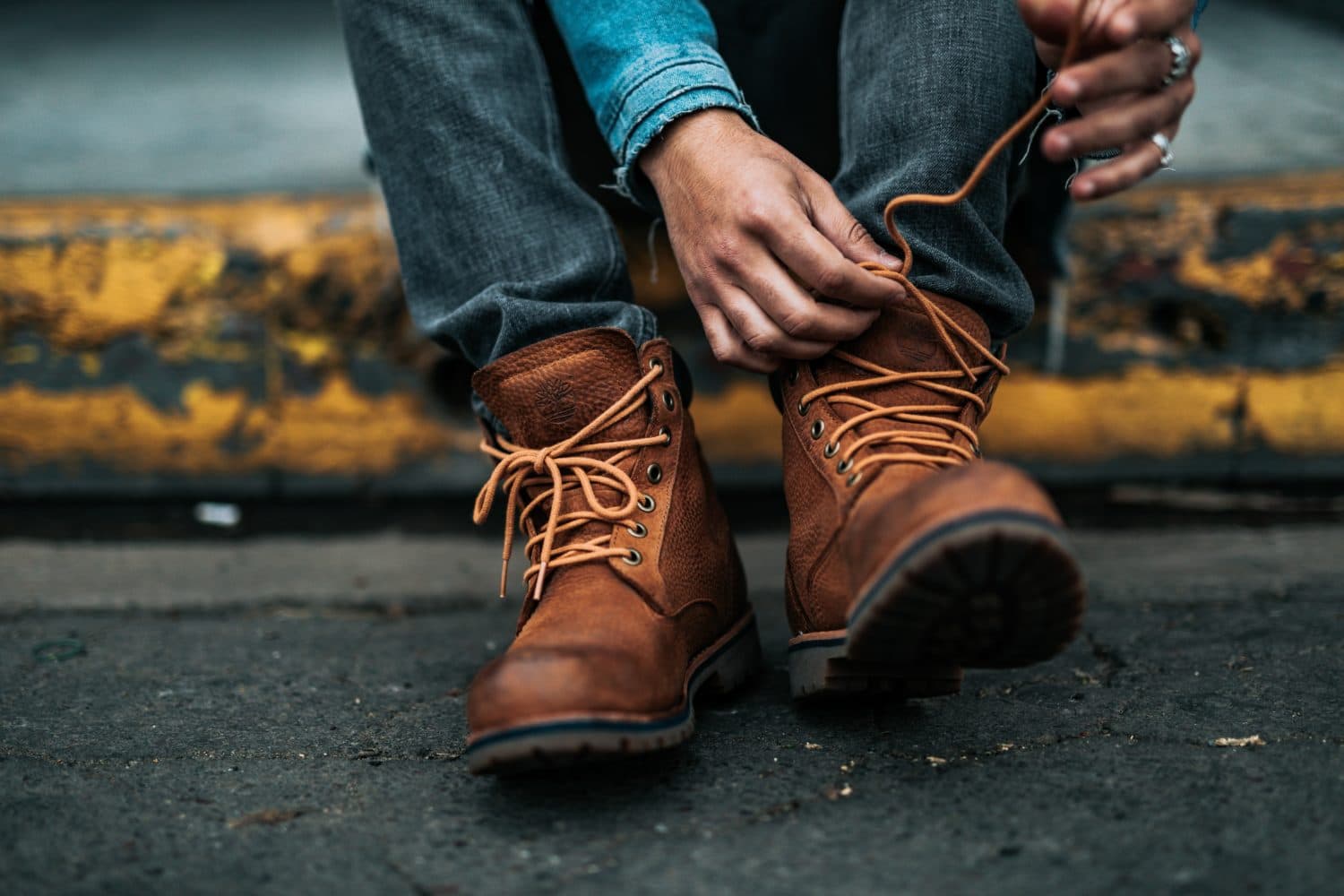
Hot spots are real, and so are blisters, and raw skin. Only with real-world experience do most of us really understand how important it is to break boots in and wear proper socks.
Still, dry land booting requires some preparation. It would be a sin for you to find that out on the second mile of your 30-mile bugout route. While the boots might not be stored in your bag, I would pack a few extra pairs of wool socks.
Environmental Preps

Some of the cheapest preps to get your hands on can sometimes be the lamest things to talk about! You can’t start a prepping blog on suntan lotion and bug spray, can you? However, these two things can make a world of a difference in austere situations.
For example, if you’re someone who skips out on suntan lotion and decides to embark on an 8-hour adventure in the blistering heat, you’re in trouble. Before you know it, you’ll be sunburnt to a point where even laying in bed or putting on a t-shirt becomes a pain.
Simply put, a sunburn that is bad enough can turn into an actual emergency. While you may not immediately feel how burnt your skin is, you’ll definitely be feeling it over the next few days. Save yourself the physical (and emotional) agony and lather on suntan lotion every hour or so to keep your skin from turning a vivid shade of red.
Maps
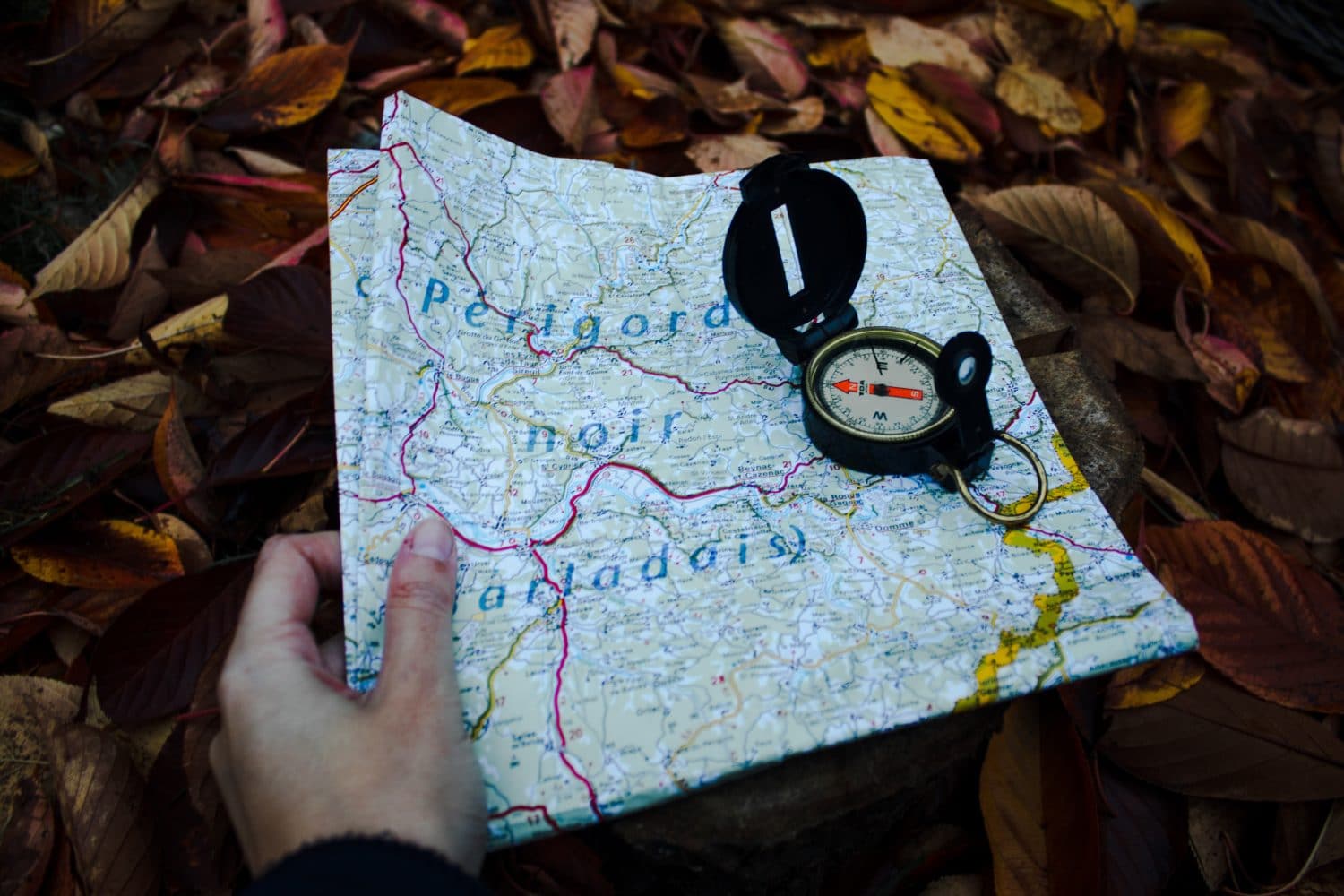
What on earth do you do with a map that is not on your phone? How do you zoom in and where are all the Starbucks?
Before we had maps we mapped the stars but once we could navigate using a map and compass things became very interesting. That was a skill that helped us explore this great continent of North America. Unfortunately, that skill is all but lost thanks to GPS.
Maps are very important for preppers. We need to have maps at our disposal and particularly of our area. Be sure you have a map of your bugout location area, as well.
If you are traversing on foot you will really want a reliable and accurate map. This map will help you if you get off track or if you just don’t know the way on foot. When your bugout plan is based on Google Maps it will look very different if you have never walked it.
One very important thing about land navigation is that it’s a skill that decays like all others. If you want to get good at it, it’s not so much about getting out and doing it once. It has to be built into your life on a regular basis.
Short Range Comms
Picture this. The sun is setting and your family has been separated because of an unforeseen situation during the bugout. This could happen for a number of reasons, and if you don’t have a plan to rally at a predetermined location you’re going to be in big trouble.
Unless, of course, you have short-range communications. It’s funny how two-way radios seem like toys until you need them. If you’re lucky you might have a set sitting on a shelf somewhere.
One of the best ways to familiarize your family with these two-way radios is to bring them on your next camping trip. As you travel around the campsite you can call back to home base and get used to staying in touch with this method.
These two-way radios are short-range communications and that is all you should expect from them. While the package might say they reach 21 miles, take my word for it, count on them for a mile or less.
Head Cover

Something so simple yet often overlooked. Yep, a hat can save you from a lot.
If you are not a hat person, an essential for your bugout is going to be the Shemagh. The Shemagh is a powerhouse with several survival applications. It also offers up a number of ways to wear the large handkerchief.
One of the best uses for a Shemagh is as a face and head cover or a Keffiyeh. If you don’t have sunblock or bug spray the Shemagh offers as much protection as you could ever want for the head and neck.
Rain Gear
This one is pretty straightforward. Being cold and wet is about the quickest route to hypothermia, aside from floating in a cold lake itself.
What most people get wrong about rain gear is that they think you need to invest big money on an Arc’teryx raincoat with a hood.
The reality about rain gear is that it can be very, very cheap to outfit your entire family. How cheap? Well, you can spend a few bucks a person on ponchos. While not designer pieces of prepper or survival gear, ponchos are incredibly effective rain gear.
Don’t have the money for rain gear?
Those trash bags will provide you with plenty of protection from the rain if you just cut a space for your face. If you pack trash bags you can also quickly wrap your bug out bag, as well.
USB Power

Power is essential in this modern age. Hate it or love it, your cellphone is one of the most powerful survival tools you have. It’s comms, maps, intel, and much more.
I like to download an offline survival manual on my phone. This gives me access to great information even without service.
Outside of your phone, there are lots of items that can be powered via USB. If you pack a basic foldout solar array that can power these items, you have a lot of options for power generation.
Here’s a short list of items that can be charged using USB power.
- Flashlights
- Lights
- Rechargeable Batteries
- Drones
- Stun Guns
- Kids Toys
If something like a drone is part of your bugout plan, you’ll need a lot more power. In such instances, relying on a solar-powered USB charger makes a lot more sense.
Cash

Less than 50% of Americans have $500 dollars saved. This isn’t a huge surprise as the American public is laden with debt just like the government.
Setting up an emergency fund is a very effective way for us to thwart disasters ranging from the cataclysmic economic collapse to just being out of work for a few weeks.
This is easily the hardest of the bug out bag essentials to commit to. It’s not easy to throw $500 in cash into a safe or a cache and leave it there. Life is tough. Things come up that your bugout cash could really help.
In desperate situations, and the bugout is despair, cash can solve problems that many things cannot. You can get the things you need if you have the cash on hand. This could be information or something else.
Even in today’s society cash still has a certain swagger to it. It can make things happen that shouldn’t or it can smooth out rough situations.
Maybe building an emergency fund to float your living costs for 3 months is just out of the picture. If so, put a few hundred away so you can grab it if the bugout ever becomes a reality.
One more thing! Don’t take three Ben Franklin’s out into the world and expect people to make change for you in a disaster. Instead, make sure you have smaller bills ahead of time.
PACE Plans

The PACE concept is often left to things like communications and security. However, it fits snug into bugout planning.
For the uninitiated, PACE is an acronym.
- Primary
- Alternate
- Contingency
- Emergency
The reason this is such an important bug out bag essential is that the bugout should not be as simple as a point A to point B game plan. Remember that there’s always a fair chance that one of your bugout locations could be compromised in one sense or another.
That means that you are now without a bug out location or plan.
When you develop a PACE plan for bugging out you can create a few different locations or checkpoints where you can set up a shelter or wait things out for your primary location to be accessible.
The most important part about these PACE plans is that they should be hard copy and stored in your bug out bag. Maps of the locations are vital and maybe some notations.
Sleep Systems
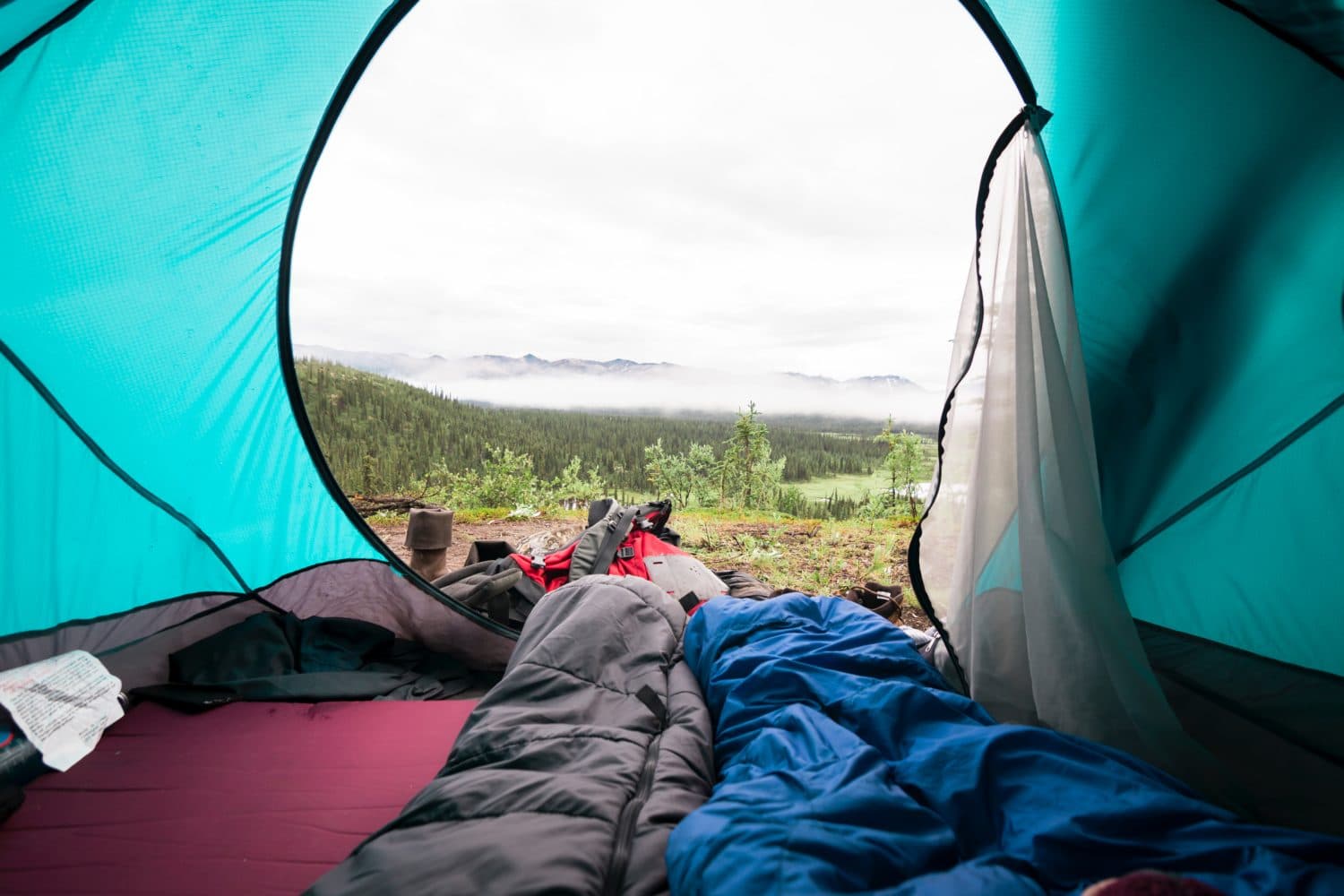
How you sleep has so much to do with your success. You heal, you rest, you recover and you process the stress of the prior day. Sleep is one of the most overlooked survival “skills” that exists.
Adding a hammock to your list of sleep systems can be a real gamechanger here. While tents take up a lot of room and weight, hammocks can be carried by everyone. That way, if you’re bugging out in a group you can easily spread out the weight of carrying sleep systems.
This section is not about converting you from a tent sleep system to a hammock family. It’s about emphasizing your sleep system. Spend some time considering the pros and cons of what’s out there.
Tourniquet
I have a radical theory that if more people in America knew how to stop others from bleeding to death in a disaster and were equipped to do it, that it would deter the rash of mass shootings in our nation.
Things like QuikClot and tourniquets go a long way in saving people’s lives.
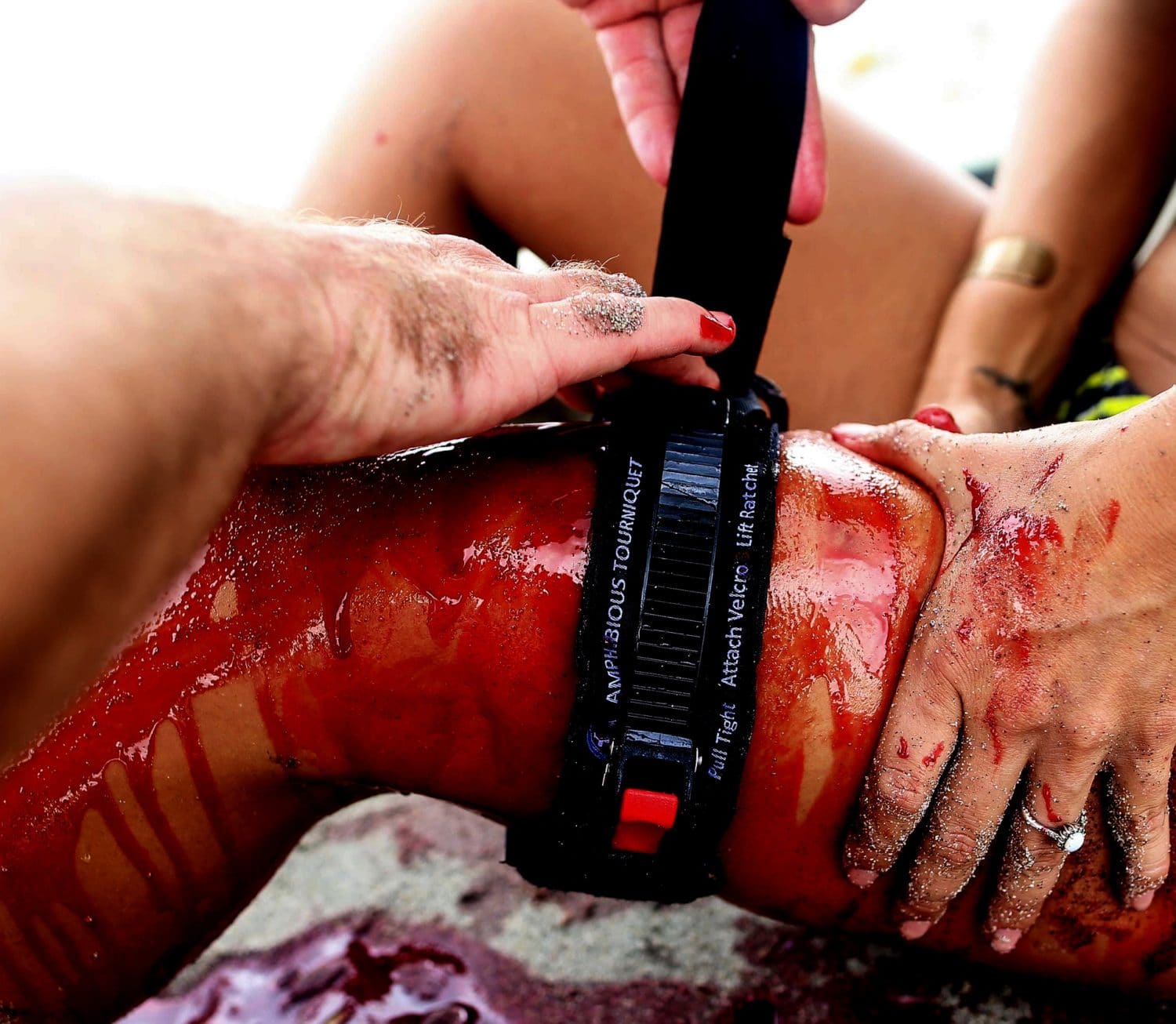
In the fantastic and unlikely scenario, you could find yourself in a gunfight and need a tourniquet to stop the bleeding from a gunshot.
OR
You might just drive an axe into your foot because you’re tired but you need more firewood at your BOL.
Simple Emergency Radio
Most preppers have a simple emergency radio in their home. This could be one of those hand-crank models or something a little more sophisticated.
While you might look at that little radio as insignificant, it’s likely your greatest weapon in gathering intelligence during a disaster!
Most of us depend on our cell phones for news and news updates which is great for day-to-day situations. Will it hold up during a disaster? Probably not.
If something happens to your phone, you’ll need an alternate means of gathering information which is precisely where a small rechargeable radio comes to the rescue.
Survival Guide
It’s impossible to know everything about survival, navigation, homesteading, and self-sufficiency. For this reason, you’ll find a number of detailed books in my backpack. Preppers Survival Navigation is a small book that I swear by and so is Dave Canterbury’s Bushcraft First Aid.
Our very own Samantha Biggers sent me a copy of Jim Cobb’s Preppers Home Defense and I think that might make its way into the bag, as well.
Securing your BOL is going to be a big deal when you arrive.
Thumb Drive
While a thumb drive can be used to store hundreds of gigs of survival information it can also store all the important information about your property and identity.
I have a collection of thumb drives that really matter. One is just filled with wedding pictures. Do I want to leave that behind in a bugout situation? Nope!
For me to fully understand what a thumb drive should look like I had to sit down and write it all out on paper and then review it. This really helped me complete my checklist.
Testing Your Bug Out Bag
Let’s talk about your very own bug out bag for a moment. Anyone can blindly add dozens and dozens of different pieces of survival gear thinking they’ll need it at some point.
One thing they don’t know, however, is that carrying too much stuff when it’s time to flee in an emergency is going to be nearly impossible. Heck, heavy backpacks are challenges even for trained military soldiers. I’m willing to bet most preppers won’t be able to walk a single mile with a B.O.B on their back and they’ll end up ditching some of the equipment or even the entire bag in a survival situation.
It is very important to take a few hikes with your bag and see how it feels. It is better to realize that you need to make changes when it is not a real emergency than to find yourself struggling or totally unable to carry what you packed for even a short distance.
Too many preppers assume they will just strap their bag on and walk 10 miles with no problems. The truth is that most people are going to struggle to do that or not be able to do it at all. Practice and good planning can change all that.
Traditional Bug Out Bag Vs. Wilderness Bug Out Bag
To some people, a bug out bag is just a bag to get them through some really basic situations, some may not even consider the situation a real emergency.
If your idea of a bug out bag is living in the wilderness for any length of time beyond just a few days then there may be some additions you want to make. Take a look at what Backdoor Survival writer James Walton suggests when planning out a wilderness bug out bag.
Metal Traps
Trapping can be ugly. Who would want their life to end in the clutches of a cold steel trap?
The problem is that steel traps work! They work all the time and they work while you are away doing other things. It’s the most effective means of passive food gathering.
Conibear traps are heavy but effective. The DF-4 deadfall trap by Self Reliance Outfitters is a lightweight trapping option.
If you are squeamish about trapping animals, employ killing traps. Your meal will be lifeless and waiting for you upon arrival…in most cases.
Mess Kit
Wrapping some bannock dough around sticks and cooking it over the fire is a fun way to eat during a weekend camping trip.
If that becomes your nightly meal prep, it could get old in a hurry. If you are truly planning on bugging out to the woods, you should have a cooking plan.

It only takes a few pans and some reliable utensils to make up a good mess kit. Your container can double as a pot for boiling water. You might also consider some cast iron cook wear as part of your bugout setup.
Long Term Planning
Your wilderness bugout is not a weekend camping trip. It could become your new way of life. This should change the way you look at things like food, shelter, and water.
Food and water go from being short term fixes to long term processes. Trapping food, collecting, and sanitizing water will have to be parts of your life that require attention almost every day.
Your tent is not a long term shelter. You will need the cutting tools we described above to fashion a shelter from strong hardwood.
Building a Bag That Serves You
A bug out bag needs to suit the unique needs of the person it is for. You could have the fanciest emergency gear but it doesn’t actually mean that you are prepared for a natural disaster or an emergency situation.
Instead, use a checklist to help you concentrate on your true needs instead of getting distracted with gear that just looks cool to you. You can start out with the bare-bone essentials and then add extra items as you can afford them. Remember that over time your bug out bag checklist may change.
If there’s one area where you do not want to skimp out, it’s tools. For example, a dependable multi-tool can be a real lifesaver in an emergency survival situation. Choose a brand like Leatherman, Gerber, or any other recognized brand with a well-known reputation.
Always have a good water filter that you know how to use and suits your ability.
Fire starting is not as easy as some make it look. A set of stormproof matches is a good back up for other methods.
And finally, remember that gear will only get you so far. You need to practice with it and know how to use it during good times so you can react well during a real emergency survival situation.



30 Responses to “A Guide to Building the Perfect Bug Out Bag”
Another great article:
I would add machine sewing needles, thread, patches and razor blades. When your BOB is your go to survival item then you to then you need to be prepared to repair it.
Seems like a good way to look at water filters is the same as you might with tires. A Lifestraw Personal is like an all-season radial tire, designed to get you through most places now. A Lifestraw Family water filter is like snow and mud tires for extreme situations. Both are good tires, neither is perfect.
While scrossing thru Backdoor Survival I saw an item about an incinerating propane toilet. Now I can’t find it again. Can you help?
The Ecojohn WC series toliets and Storburn toilets both use propane. Hope that helps.
That may have been something written up in the comments because I have not written about it. On the other hand, my memory is not so great these days.